


Why it matters
The pace of AI innovation continues to accelerate, yet Europe’s regulatory environment is tightening. The Gartner Symposium 2025 brought this into sharp focus through Margrethe Vestager’s keynote session. Her reflections show the importance of regulation that protects citizens while still allowing room for growth.
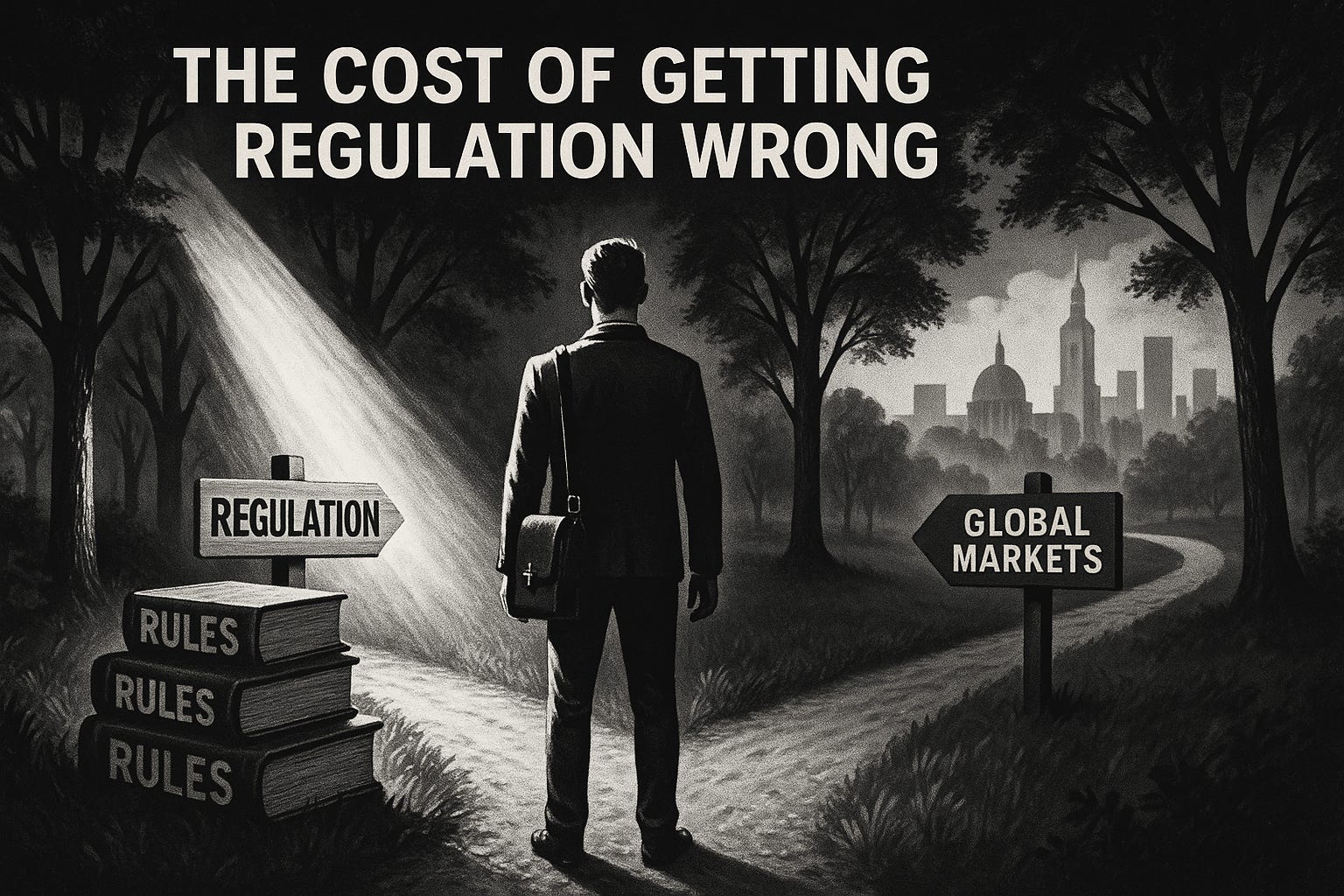
If Europe tilts too far toward caution, investors and innovators may move elsewhere. If Europe tilts too far toward freedom, risks and harms can escalate.
CIOs and technology leaders must navigate this delicate balance while planning long term strategies.
A regulatory vision shaped in Brussels
Margrethe Vestager opened her Gartner Symposium 2025 keynote by recalling a symbolic sculpture she once received. It was a raised hand making an insulting gesture. For her, it became a reminder that regulation, no matter how well intentioned, will always attract disagreement.
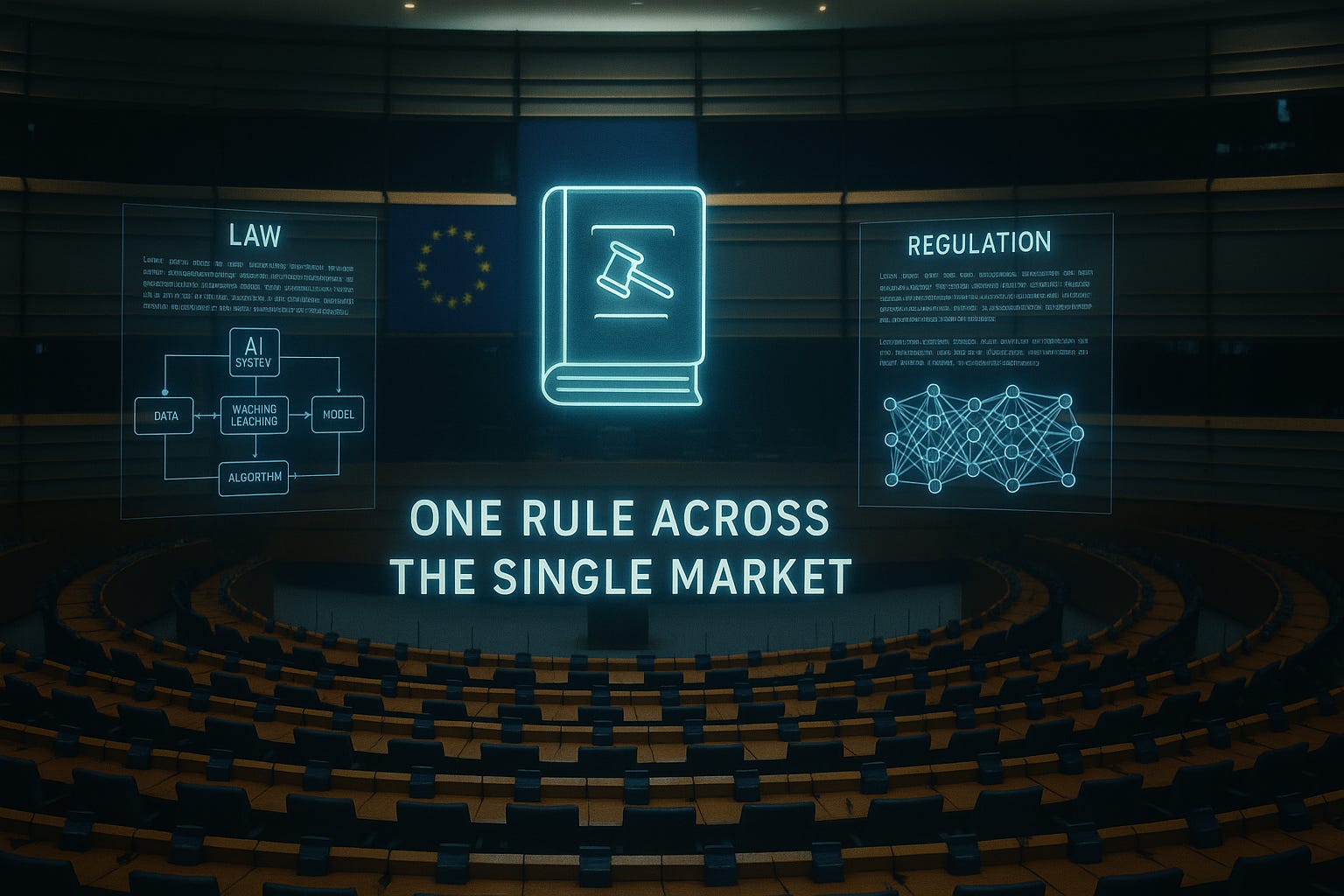
Her career spans the Digital Markets Act, Digital Services Act and now the Artificial Intelligence Act. During her keynote, she offered a clear message to the Symposium audience. Effective lawmaking requires a precise definition of the problem and a unified rule across the Single Market. If twenty seven versions appear, both trust and competitiveness erode.
The Gartner audience heard a rare inside view of how these large frameworks evolve. They begin with data, continue through long consultation cycles and end with intense political negotiation. Vestager made it clear that the Single Market functions best when rules apply consistently everywhere.
Regulation as an enabler when applied with restraint
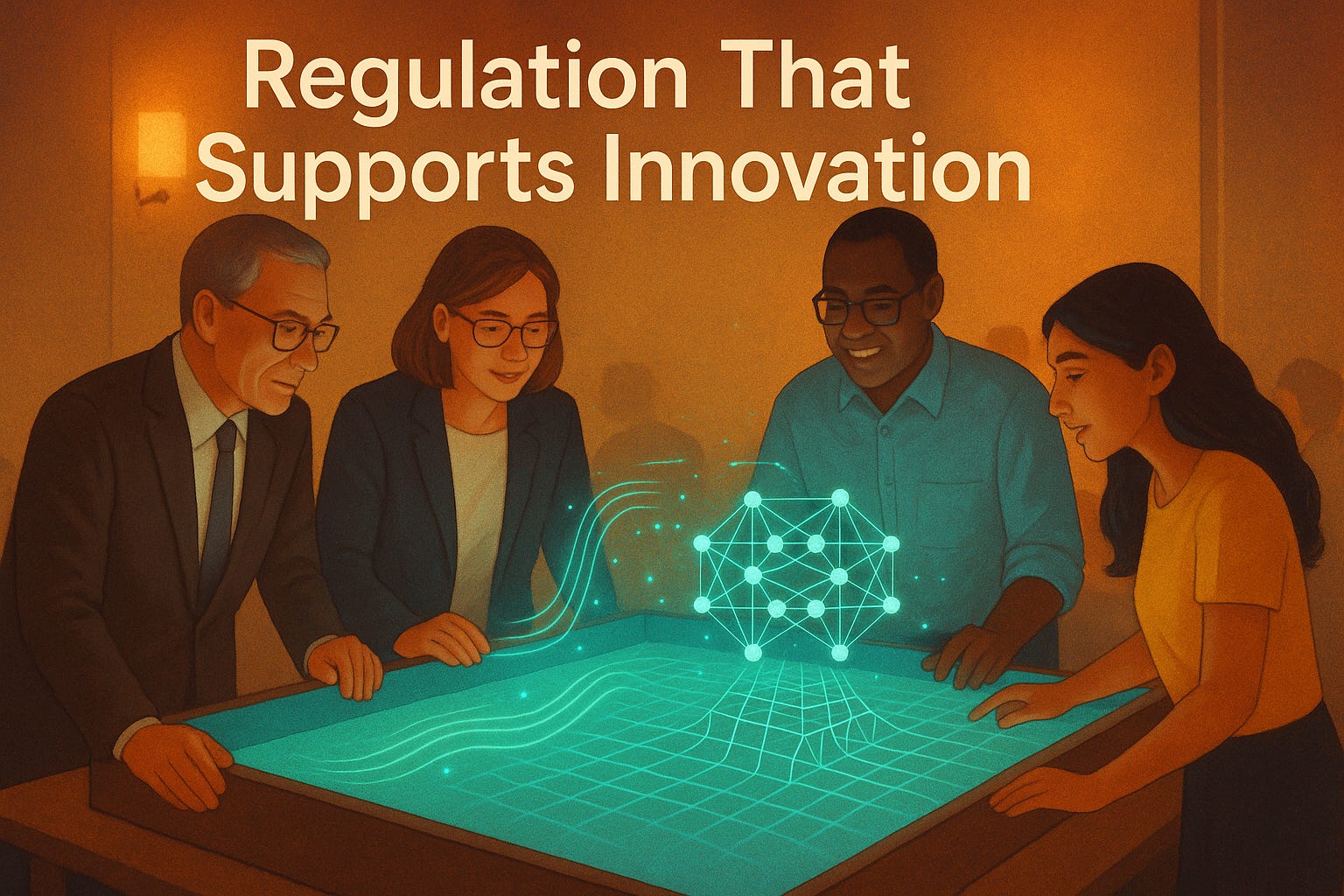
Vestager used the stage to emphasise the positive side of regulation. Regulatory sandboxes allow organisations to test systems with guidance rather than fear of penalties. This partnership model encourages innovation while protecting users.
She urged CIOs attending the Symposium to engage early with policymakers. Real examples from businesses carry more weight than general industry statistics. She encouraged leaders to describe their customers, suppliers and operational realities. This helps shape regulation that works in the real world, not only in theoretical frameworks.
The risk of over regulation and the danger of slower capital formation
Europe has challenges that were openly acknowledged at the Symposium. It has less risk capital than the United States, higher energy prices and a slower path to scale. Over regulation makes these challenges more difficult. If compliance costs become too high, investors and founders will place their bets outside Europe.
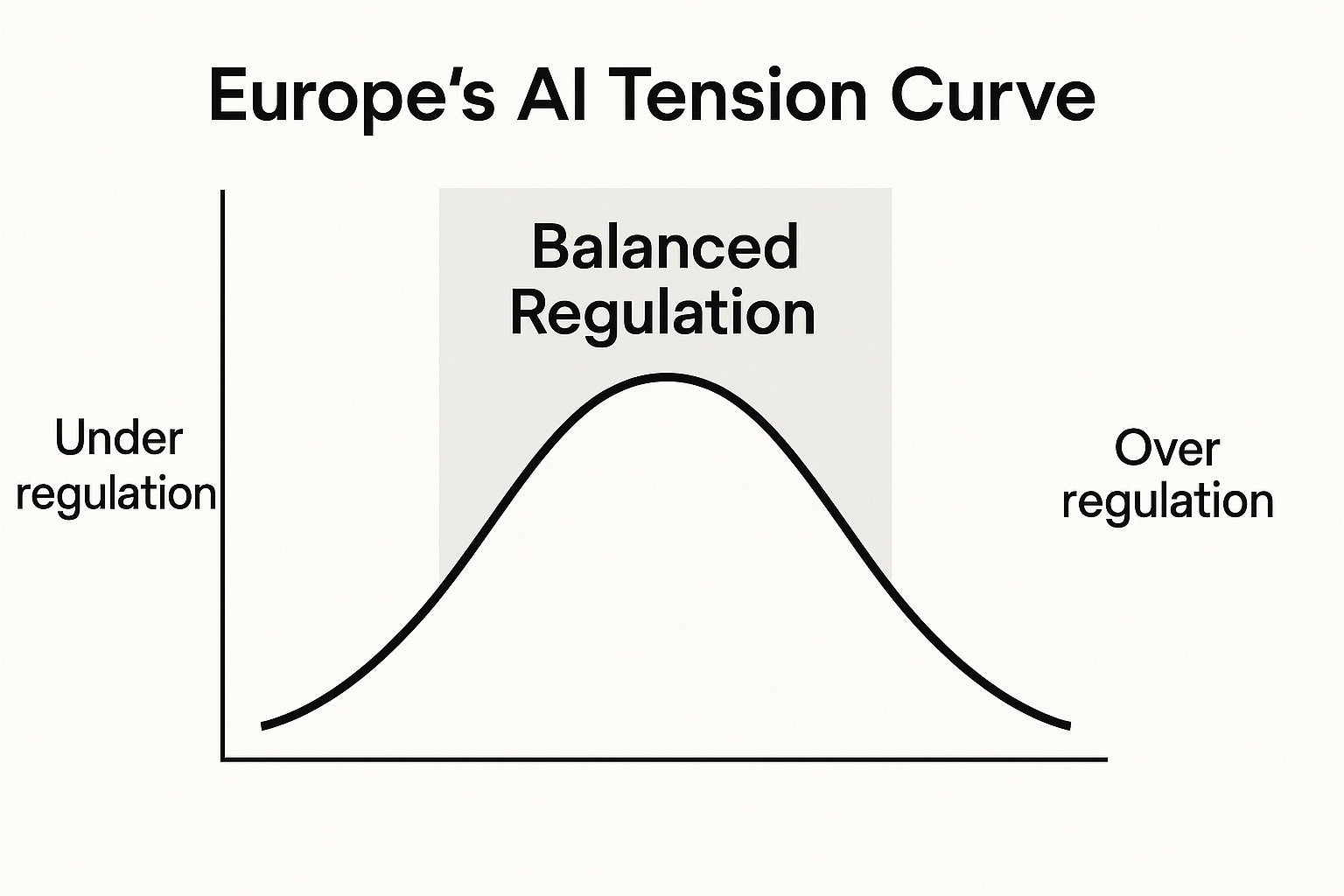
The AI Act uses a risk based approach, which is sensible, yet many leaders at the Symposium expressed concern that the practical burden on smaller companies may be heavy. A rule can protect citizens and still hinder competitiveness if it is too expensive to comply with. Vestager noted that laws must be proportionate and functional. Political pressure sometimes adds layers of detail that reduce flexibility.
This is where Europe faces its biggest decision. Protect society, certainly. But avoid a regime that makes it unprofitable to build new AI products in Europe. Without growth, Europe becomes dependent on foreign technology.
Strategic openness and digital sovereignty
Vestager explained that digital sovereignty does not require total self sufficiency. Europe cannot produce every semiconductor or critical mineral. It can, however, build influence in global value chains through institutions like IMEC and companies like ASML.
She encouraged strategic openness. Europe should remain connected to global supply chains while diversifying its dependencies. A single supplier creates fragility. A diversified supplier base creates resilience. The message resonated strongly with CIOs concerned about cloud concentration and AI compute dependencies.
Public procurement also emerged as a powerful lever. Governments across Europe control enormous buying power. If they choose European cloud and SaaS platforms, they can accelerate the growth of local ecosystems. However, early adopters must accept slower maturity and higher cost. Vestager framed this as a trade off between short term comfort and long term independence.
Leadership, culture and the human element
Vestager’s reflections went beyond regulation. She spoke about the importance of diverse teams and described how she increased the proportion of women in senior roles from forty percent to sixty percent during her tenure in the Commission. This was achieved through specific roles, training pipelines and measurable targets.
She also warned the audience about the risk of losing human connection. AI can assist and optimise, but it cannot replace relationships. Organisations that thrived during the pandemic did so because they had invested in trust long before the crisis.
Relationships form the foundation of markets and business resilience.
